

Lưu ý từ ABA VISA & Miễn Trừ Trách Nhiệm: Nội dung bài viết cung cấp thông tin tổng quan về Chương trình Kinh nghiệm Canada (CEC) và hệ thống Express Entry tại Canada, không cấu thành tư vấn pháp lý di trú chính thức. Các dịch vụ tư vấn chuyên sâu, thẩm định hồ sơ và đại diện pháp lý trước Bộ Di trú, Tị nạn và Quốc tịch Canada (IRCC) được thực hiện thông qua mạng lưới luật sư/chuyên gia được cấp phép tại Canada theo thỏa thuận dịch vụ độc lập. Quý khách hàng vui lòng liên hệ trực tiếp với ABA VISA để được kết nối giải pháp phù hợp nhất.
What is the Canadian Experience Class (CEC) Immigration Program?
CEC là con đường định cư chiến lược thuộc hệ thống quản lý hồ sơ Express Entry, được thiết kế dành riêng cho các lao động quốc tế và du học sinh đã tích lũy kinh nghiệm làm việc thực tế tại Canada, mong muốn sở hữu thẻ Thường trú nhân (PR) nhanh chóng.
Khác với các diện định cư từ nước ngoài (như FSWP hay FSTP), CEC tận dụng lợi thế hội nhập sẵn có của ứng viên tại thị trường lao động Canada, mang lại tỷ lệ thành công cao và thời gian xử lý hồ sơ tối ưu.
Objectives and benefits of the Canadian Experience Class (CEC) Immigration Program for foreigners with work experience in Canada.
The Canadian Experience Class (CEC) Immigration Program was designed by the Government of Canada to attract and retain individuals with skills and experience that will benefit the Canadian economy. Here are some of the key goals and benefits:
Objectives of the CEC Program:
Strengthening Labor Capacity: Responds to the needs of the Canadian labour market by providing an expedited settlement pathway for those who have demonstrated the ability to adapt and succeed in the Canadian work environment.
Promoting Economic Growth:Encouraging the permanent settlement of skilled workers contributes to Canada's economic growth and innovation.
Affirming Cultural Diversity: Leverage the experience and cultural insights that international individuals bring, helping to enrich Canada's multicultural identity.
Who is best suited for the Canadian Experience Class (CEC) Immigration Program?
The Canadian Experience Class (CEC) Immigration Program is an ideal immigration option for those who have work experience in Canada and want to transition to permanent resident status, specifically:
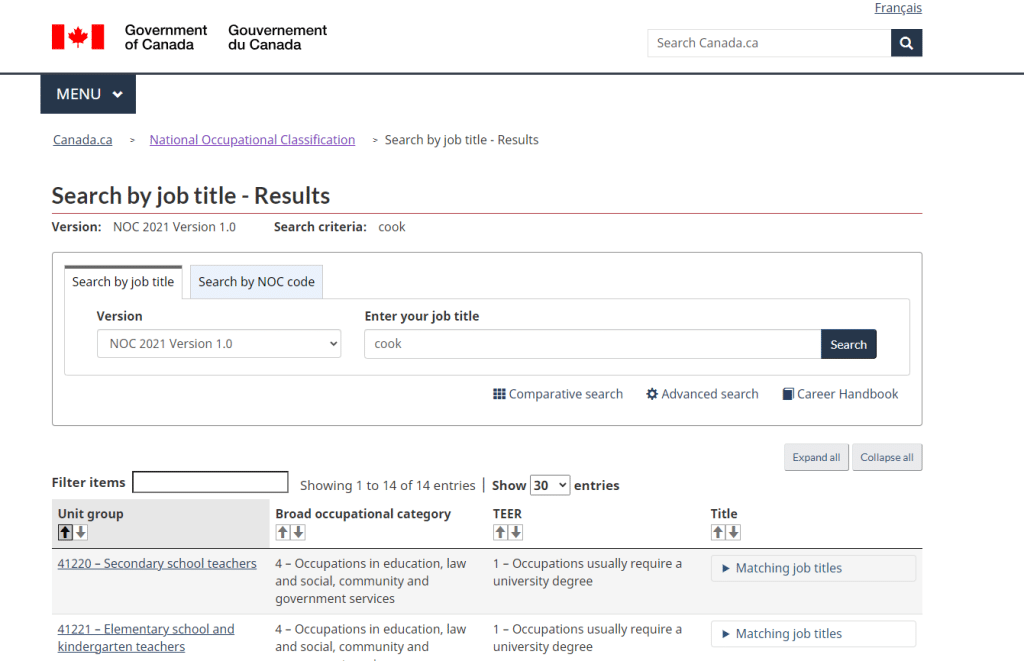
- Experienced Workers in Canada: Individuals who have worked in Canada for at least one year in the three years prior to applying, in occupations that fall under Group 0 (management), A (highly specialized) or B (technical) according to the National Occupational Classification (NOC) System.
- International Students Graduating in Canada: International students who have completed a program of study at a recognized educational institution in Canada and then gained Canadian work experience are also eligible to apply under this program. This is especially beneficial for students who have had time to work through programs such as the Post-Graduation Work Permit (PGWP).
- Temporary Workers: People who have come to Canada as temporary workers and have accumulated enough work experience as required by the CEC, can leverage this experience to transition to permanent residency.
- Experts in Specific Industries: Highly skilled professionals in the fields of technology, health, education, engineering, and other industries that Canada is in dire need of strong human resources. At the same time, they have adapted to the working environment and culture in Canada.
- Families of Existing Workers: Individuals with families (spouse, children) also living in Canada can convert to permanent resident status together, helping to reunite the family permanently.
Benefits of Canadian Experience Class (CEC) Immigration Program For Applicants:
Fast Processing: Compared to other settlement programs, the CEC has a faster application processing process, allowing individuals to quickly transition to permanent residency.
No Financial Proof Required: Người nộp đơn không cần phải chứng minh tài chính như trong một số chương trình định cư khác như FSWP, FSTP..., điều này làm giảm gánh nặng tài chính và thủ tục.
Leveraging Canadian Experience: The program values Canadian work experience as an important factor in assessing immigration applications.
Career Advancement Opportunities: As a permanent resident, applicants can access more career opportunities and enjoy the same full benefits as Canadian citizens, including health care and education benefits.
Reducing Language and Cultural Barriers: People who have had work experience in Canada have adapted to the language and culture, making it easier for them to integrate when they become permanent residents.
Thanks to these goals and benefits, the CEC program has been and is an important part of the Canadian Government's Immigration strategy, aiming to attract and retain international talent.
Canadian Immigration through the (CEC) program must meet the following requirements:
Working time
Minimum Working Hours Regulations:
Applicants must have at least one year of full-time work experience (equivalent to 1,560 hours or more) in the three years prior to applying. This is a basic requirement to ensure that the applicant has had enough time to adapt to and understand the Canadian work environment.
Part Time Jobs also have the opportunity to apply:
If an applicant works part-time, they can still meet this requirement as long as the total hours worked reach 1,560 hours. For example, if the applicant works 15 hours a week, they would need to work part-time for approximately 104 weeks to reach the required total hours.
Accumulated Working Time:
Work time may be accumulated from multiple jobs, as long as those jobs are in occupations classified in group 0, A or B under Canada's National Occupational Classification (NOC).
Working Hours In and Out of Canada:
Only time worked in Canada counts toward meeting the CEC requirement. Time worked abroad, even if for a Canadian company or under the direction of a Canadian company, not counted vTime of experience required for CEC.

Eligible job types:
To qualify for the Canadian Experience Class (CEC) program, the type of work the applicant performed in Canada must fall within one of the occupation groups classified under Canada's National Occupational Classification (NOC) System.
These occupational groups include:
- Group 0 (Management work): Management jobs in fields such as retail and services, finance, business, telecommunications, manufacturing, and many others.
- Group A (Specialized work): Jobs requiring college degrees such as engineers, doctors, teachers, lawyers, and other professionals in the fields of medicine, education, engineering, and law.
- Group B (Technical and Craft Work): Jobs that require a college degree or vocational training, such as technicians, nurses, electricians, mechanics, and occupations related to construction, mechanics, and electronics.
These jobs are considered eligible because they require a certain level of skill, knowledge, and experience, and reflect the needs of the Canadian labour market. To accurately determine the NOC group of a job, applicants need to consider not only the job title, but also the daily tasks and responsibilities they performed while working in Canada.
Language requirements:
To meet the language requirement for the Canadian Experience Class (CEC) immigration program, applicants must demonstrate language ability by achieving a minimum score in language skills (listening, speaking, reading, writing) in English or French. The minimum language score required depends on their NOC job type as follows:
For NOC 0 and A Jobs:
- English: Canadian Language Benchmarks (CLB) 7 or higher in each skill (listening, speaking, reading, writing).
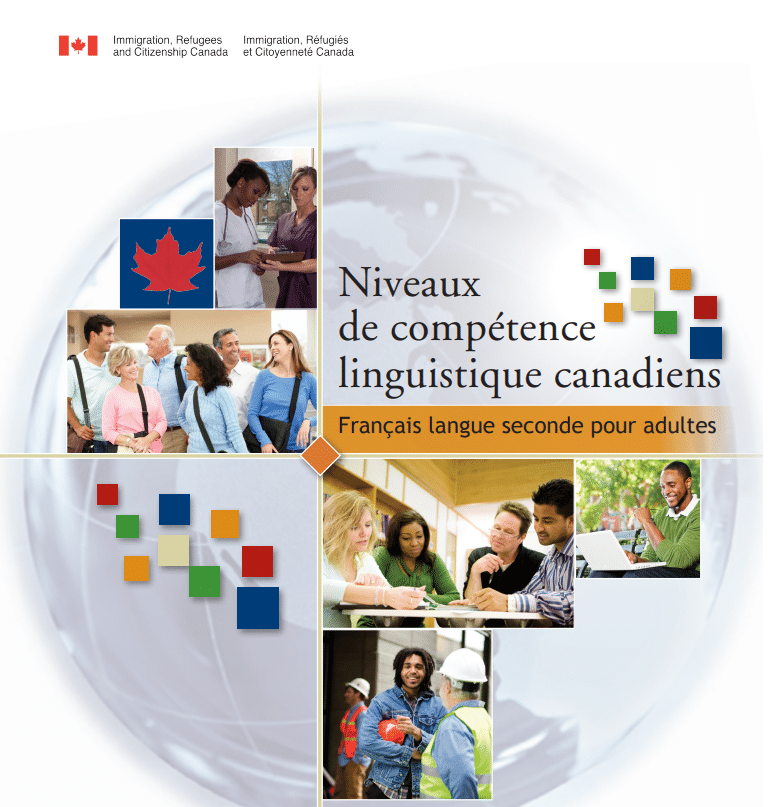
- French: Niveaux de compétence linguistique canadiens (NCLC) 7 or higher in each skill.
For NOC B Jobs:
- English: CLB 5 or higher in each skill.
- French: NCLC 5 or higher in each skill.
Take the Language Test:
Applicants must take a language test accepted by the Government of Canada to assess their language proficiency. Common English tests include the International English Language Testing System (IELTS) for general purposes and the CELPIP (Canadian English Language Proficiency Index Program). For French, common tests are the TEF Canada (Test d'évaluation de français) and the TCF Canada (Test de connaissance du français).
Validity of Test Results:
Language test results must be valid (usually within two years) at the time of application. Meeting this language requirement not only demonstrates an applicant’s ability to communicate in Canadian work and social environments, but is also a key factor in assessing their application through the Express Entry system.
Application Process How does the Canadian Experience Class (CEC) Immigration Program work?
Register in the Express Entry system to participate in the Canadian Experience Class (CEC) program. Or other Canadian settlement programs such as Federal Skilled Worker Program nice Federal Skilled Trades Program requires you to take a few specific steps. Here are the steps to apply for Express Entry:
1. Canadian Experience Class (CEC) Eligibility Assessment
First, you need to determine whether you are eligible for one of the Express Entry programs. You can use the online tool on the Immigration, Refugees and Citizenship Canada (IRCC) website to check your eligibility.
2. Prepare Documents
Prepare necessary documents such as:
- Proof of work experience: Employment contracts, payroll, job descriptions.
- Language test results: IELTS, CELPIP for English or TEF, TCF for French.
- Proof of education: Degree, certificate of equivalence assessment if the degree is not from Canada.
3. Create an Express Entry Profile – (CEC) Canadian Experience Class Immigration Program
- Register to create an account on the IRCC website.
- Create an Express Entry profile, entering all the necessary information regarding your education history, work experience, language proficiency, and other factors.
4. Get CRS Score
Once your profile is created, you will be evaluated based on the Comprehensive Ranking System (CRS). The CRS will give you a score based on factors such as age, work experience, education, and language ability.
5. Receive an Invitation to Apply (ITA)
If your CRS score is high enough and exceeds the points threshold set by IRCC in each draw, you will receive an Invitation to Apply (ITA) for permanent residence.
6. Apply for Permanent Residence
Once you receive an ITA, you have 60 days to submit your complete permanent resident application along with all supporting documents.
7. Waiting for Decision
After submitting your application, you will wait for a decision from IRCC. If approved, you will receive a Canadian Permanent Residence Permit.
Processing Time
Processing times for applications for Canadian permanent residence through the Express Entry system, including the Canadian Experience Class (CEC), can vary depending on many factors. Here are the key facts about processing times:
Canadian Experience Class (CEC) Immigration Program Standard Processing Times
- Express Entry: For most permanent residence applications through Express Entry, Immigration, Refugees and Citizenship Canada (IRCC) aims to process applications within 6 months from the date a complete application and all required documentation are received. This includes applications from the Canadian Experience Class, Federal Skilled Worker Program, and Federal Skilled Trades Program.
Factors Affecting Processing Time
- Completeness of the application:A complete application with all supporting documents provided completely and accurately can help avoid delays.
- Number of orders: The number of applications submitted at a particular time can also affect processing times. Peak times may result in slower processing.
- Security and health issues: Background checks and medical exams can slow down the process if there are issues that need to be cleared up.
- Respond quickly to additional requests: How quickly you respond to requests for additional information or documentation from IRCC can also affect overall processing times.
Prepare to Minimize Wait Time
- Prepare carefully: Make sure your application is complete and error-free. Use a pre-submission application checking service to ensure all information is correct.
- Apply early: Apply as soon as possible, especially if you have met all the requirements and have all the necessary documents ready.

Advantages of (CEC) Canadian Experience Class Immigration Program Compared to Other Immigration Programs
The Canadian Experience Class (CEC) program offers many distinct advantages over other Canadian immigration programs, making it a preferred choice for many people with Canadian work experience. Here are the main advantages:
1. Lower CRS Score Requirements
CEC typically requires a lower Comprehensive Ranking System (CRS) score than other immigration programs such as the Federal Skilled Worker Program (FSWP). This is because those who have work experience in Canada are considered to have adapted to the Canadian work environment and culture.
2. No Financial Proof Required
Unlike some other immigration programs such as the FSWP, applicants through the CEC do not need to demonstrate financial capacity or have a minimum amount of money. This helps to ease the financial burden for those who have worked and have a stable income in Canada.
3. Take Advantage of Your Canadian Work Experience
CEC places a high value on Canadian work experience. This not only makes it easier for applicants to demonstrate their adaptability, but also strengthens their chances of success in the settlement process, as they are already familiar with the Canadian labour market and living environment.
4. Fast Processing
Applications through the CEC are generally processed faster than other programs. IRCC aims to process most applications within 6 months, allowing applicants to transition quickly to permanent residence.
5. No Job Offer Required
Unlike the Federal Skilled Trades Program and some parts of the FSWP, the CEC does not require applicants to have a job offer from a Canadian employer (LMO/LMIA). This makes the process easier for those who already have work experience in the country and want to stay long-term.
6. Language Flexibility
The language requirements for NOC B jobs in the CEC are lower than the FSWP, with only CLB 5 required. This provides an opportunity for those with lower language skills but valuable Canadian work experience.
These advantages make CEC an attractive option for those who have work experience in Canada and wish to settle here permanently.
1. What is CEC and who can join?
Answer: The Canadian Experience Class (CEC) is a program under Canada’s Express Entry system for people who have work experience in Canada and want to become permanent residents. To be eligible, you need to have at least one year of full-time (or part-time equivalent) work experience in Canada in the last three years, in a job in NOC 0, A or B.
Under the Canadian Experience Class (CEC) program under the Express Entry system, There is no absolute age limit to apply. However, age is an important factor in the Comprehensive Ranking System (CRS) points system.), affecting your ability to receive an Invitation to Apply (ITA) for permanent residence.
2. Is there an age requirement to participate in this program?
Answer:
- Under 18 years old: Normally no points are given.
- 18 to 29 years old: This is the age group that received the highest score on the age factor.
- 30 years old and above: Scores begin to decline after age 30 and decrease significantly each year.
To receive the maximum points for the age factor in the CRS, you should be between 20 and 29 years old. Once you turn 30, the points for the age factor begin to decrease. While there is no official age limit to apply, applicants older than 29 may need to strengthen their profile with other strong factors such as a high level of education, good language skills, or work experience in an in-demand occupation in Canada to increase their chances of receiving an ITA.
3. What minimum CRS score do I need to be invited to apply?
Answer: The minimum Comprehensive Ranking System (CRS) score required to receive an Invitation to Apply (ITA) through the Canadian Experience Class (CEC) program in the Express Entry system varies from draw to draw and the competitive landscape of the candidate pool. The CRS score does not have a fixed minimum as it is based on factors such as:
- Education level
- Work experience
- Language proficiency (English and/or French)
- Age
- Other factors such as having a partner or spouse applying together, employment arrangements in Canada, etc.
In the past, CRS scores for CEC candidates in some draws have been significantly lower than for other Express Entry programs. For example, in some cases, the CRS score for CEC can be as low as around 400 points, while other draws may be higher. However, this may change depending on the number of applicants and the needs of the Canadian labour market at that time.
4. How can I improve my CRS score?
Answer:
To increase your chances of receiving an ITA, you should work to improve your CRS score by:
- Improve your language skills by getting higher scores in IELTS or CELPIP (English) and TEF or TCF (French) tests.
- Improve your education or get additional relevant certifications.
- Gain additional professional work experience, especially in Canada.
- If possible, get a supported employment offer (LMIA) from an employer in Canada.
Always follow the announcements from CIC (Citizenship and Immigration Canada) about new draws to know the specific CRS score for each draw.
5. Can I stay in Canada while waiting for the CEC results?
Answer: Yes, if you currently have legal status in Canada (e.g. work or student visa), you can stay while your application is being processed. If your current visa expires, you can apply for an extension or change your conditions of stay. Please call Hotline: 0938165817 (Zalo/ WhatsApp) for support.
6. What work time counts towards CEC experience?
Answer: Only time spent working in Canada while in legal status counts toward the required year of work experience. Freelance or unpaid work does not count.
7. Can I apply for CEC if I am outside Canada?
Answer: Yes, you can apply for CEC from anywhere in the world as long as you meet the Canadian work experience requirements. However, you need to ensure that you have legal status at the time you apply.
8. How long are language test results valid?
Answer: Language test results for CEC must be valid at the time of application. Typically, language test results are valid for two years.
9. Does CEC require proof of funds?
Answer: No, unlike some other settlement programs, CEC does not require applicants to demonstrate financial resources.
10. Can I include family in my CEC application?
Answer: Yes, you can include your spouse or common-law partner and dependent children in your CEC application. They will also be considered for permanent residence with you.
This FAQ provides basic information about the CEC program and helps applicants better understand the process and requirements. ABA VISA & LAW SERVICES can provide more detailed support and advice on a case-by-case basis, helping your permanent residence application go smoothly and efficiently.